
An SEO specialist is the person responsible for getting a website found in organic search: they research what people search for, make sure search engines can crawl and index the site, improve the pages that should rank, and measure the result in clicks, rankings and revenue. This guide covers what the role does day to day, the skills it needs, the KPIs it owns, and a job description template you can copy.
What is an SEO specialist?
An SEO specialist owns a site's visibility in organic search results. "Organic" means the unpaid results: the role doesn't buy ads, it earns placements by making pages that deserve to rank and that search engines can understand.
Google's own page on hiring an SEO lists the kind of work an SEO may do: reviewing a site's content or structure, technical advice on hosting, redirects, error pages and JavaScript, content development, keyword research, training, and expertise in specific markets. That is a fair outline of the job. The same page is clear on one point worth repeating to any new hire or client: no one can guarantee a #1 ranking on Google.
The title varies. You will see "SEO specialist", "SEO analyst", "SEO executive", "SEO manager" and "SEO strategist" used for overlapping roles. The differences are mostly about scope and seniority, not a different skill set.
SEO specialist vs SEO strategist vs SEO manager
| Role | Main question | Typical scope |
|---|---|---|
| SEO specialist | What do we fix or build next, and did it work? | Hands-on: audits, on-page changes, briefs, technical tickets, tracking and reporting |
| SEO strategist | Which topics, markets and page types are worth winning? | Planning: priorities, roadmaps, content strategy, forecasts, stakeholder buy-in |
| SEO manager | Is the program running and staffed? | People and process: team, budget, agency relationships, targets |
In a small company one person does all three. In an agency, the specialist usually runs several client accounts while a strategist or account lead owns the plan. In a large in-house team, specialists are often split by area: technical, content, local or international.
Core responsibilities
Most SEO specialist job descriptions come down to five areas of work.
1. Keyword and intent research. Find what the audience searches for, group queries by the job the searcher is trying to do, and map each group to one page. The best starting point is the site's own Search Console data: the queries it already appears for, at which positions, on which pages. Matching a page to the search intent behind a query matters more than repeating the query.
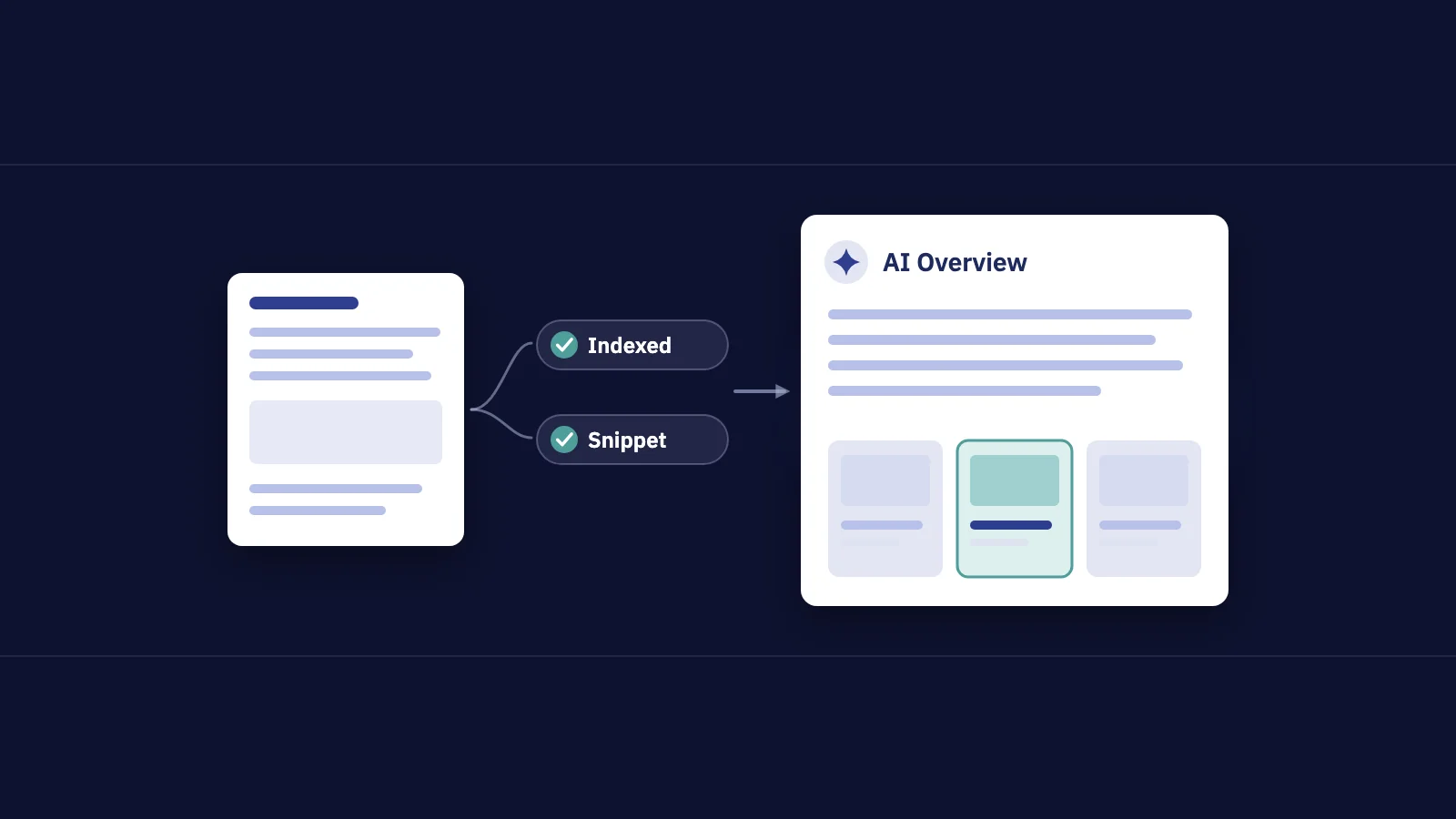
2. Technical health. Make sure important pages can be crawled, indexed and rendered, and that unimportant ones don't waste attention. That covers robots.txt and noindex, canonical tags, redirects, sitemaps, internal links, page speed and structured data. The specialist rarely writes the code; they find the problem, write a clear ticket and verify the fix in Search Console's URL Inspection and Page indexing reports.
3. On-page and content. Titles, meta descriptions, headings, internal links and the content itself. In practice this means writing briefs for writers, editing existing pages, and deciding when to refresh, merge or retire a page that is losing traffic.
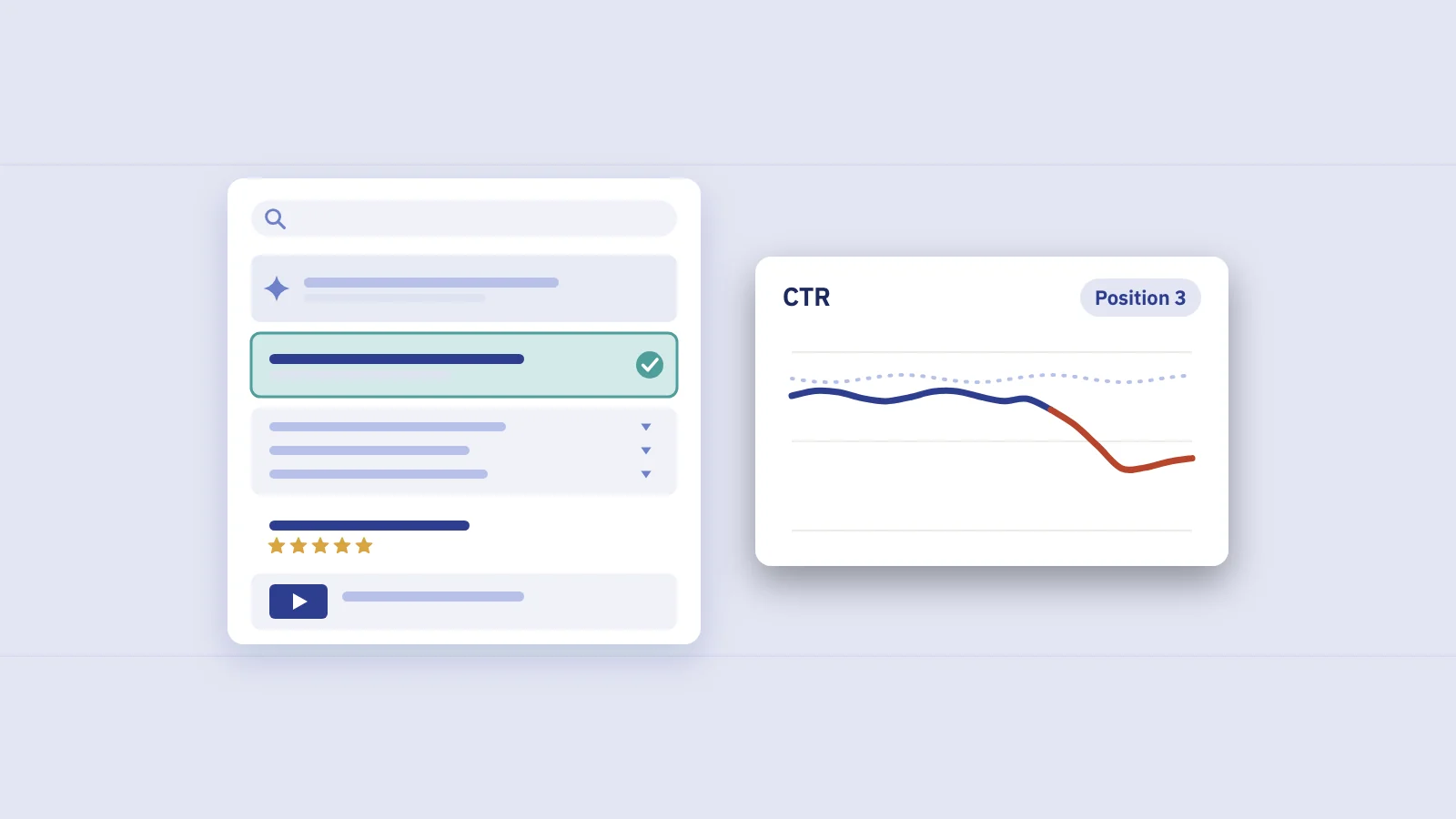
4. Monitoring and diagnosis. Watch rankings, clicks and indexing, notice when something drops, and find out why: a Google update, a broken template, a migration, a competitor, or a change on the results page itself.
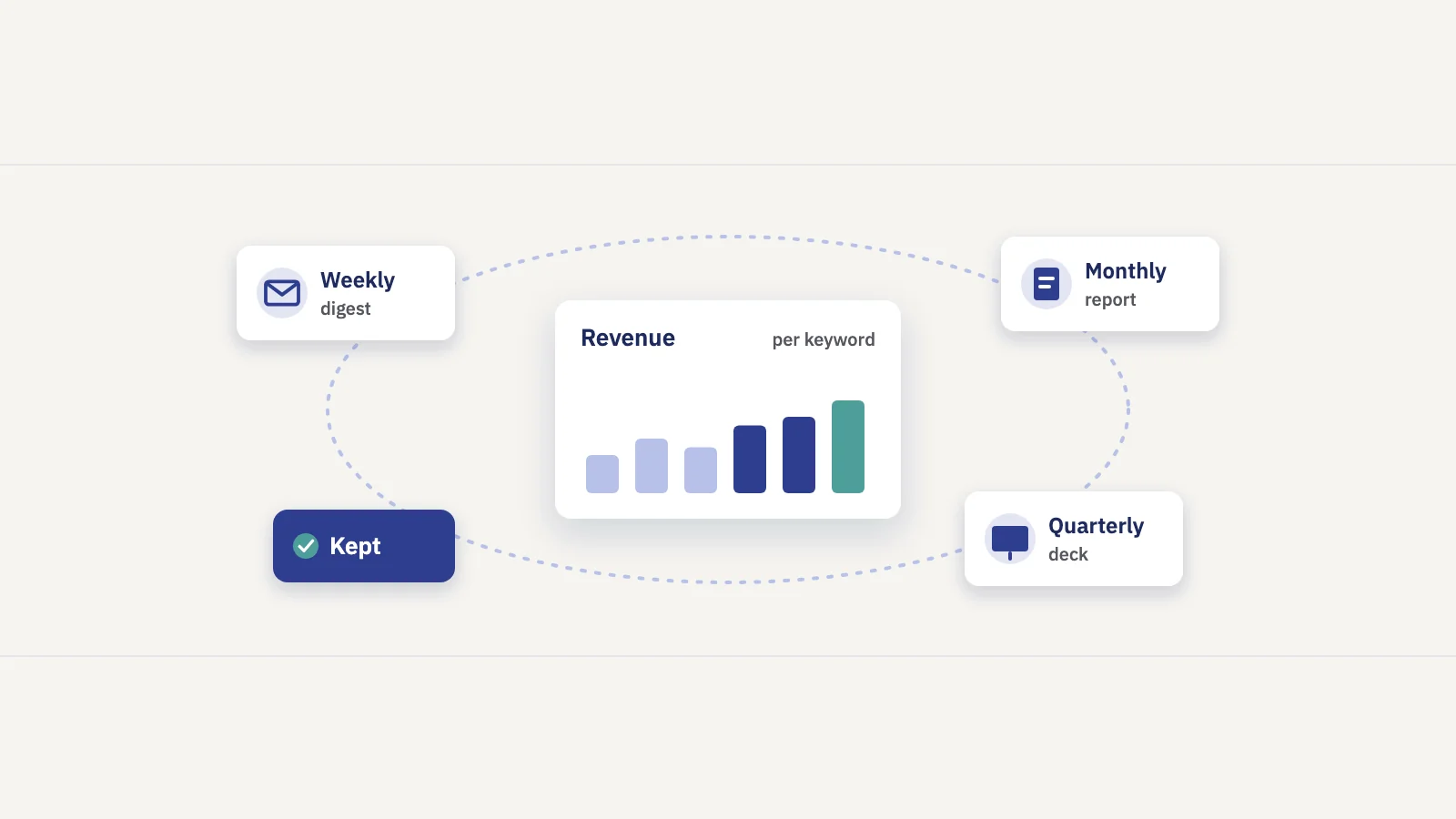
5. Reporting and communication. Turn the data into a short story for people who don't read Search Console: what moved, why, what it was worth and what happens next. This is the part many specialists underrate, and it is often what decides whether the SEO budget survives.
Skills an SEO specialist needs
Analytical skills. Comfortable with large tables, filters, regular expressions and spreadsheets. Able to tell a real trend from noise, compare equal date ranges and separate seasonality from decline.
Technical understanding. Enough HTML, HTTP status codes and rendering knowledge to read a page's source, spot a wrong canonical or a redirect chain and explain the problem to a developer. Coding is a plus, not a requirement.
Writing and editing. Clear titles, useful briefs and plain-language reports. Most of the job's output is written.
Search Console fluency. The Performance report (queries, pages, countries, devices, search appearance, date comparisons), Page indexing, URL Inspection, Sitemaps and the Links report. Knowing the data's limits is part of the skill: the Performance report keeps 16 months of data, and very rare queries are hidden for privacy.
Analytics. GA4 basics: landing pages, organic sessions, key events and revenue, and why those numbers never match Search Console clicks exactly.
Prioritization and stakeholder skills. There are always more fixes than hours. A good specialist ranks work by expected impact and effort, and can say no to low-value requests without losing the room.
A typical week: daily, weekly and monthly workflow
The rhythm below is a reasonable default for an in-house specialist or an agency specialist with a handful of accounts.
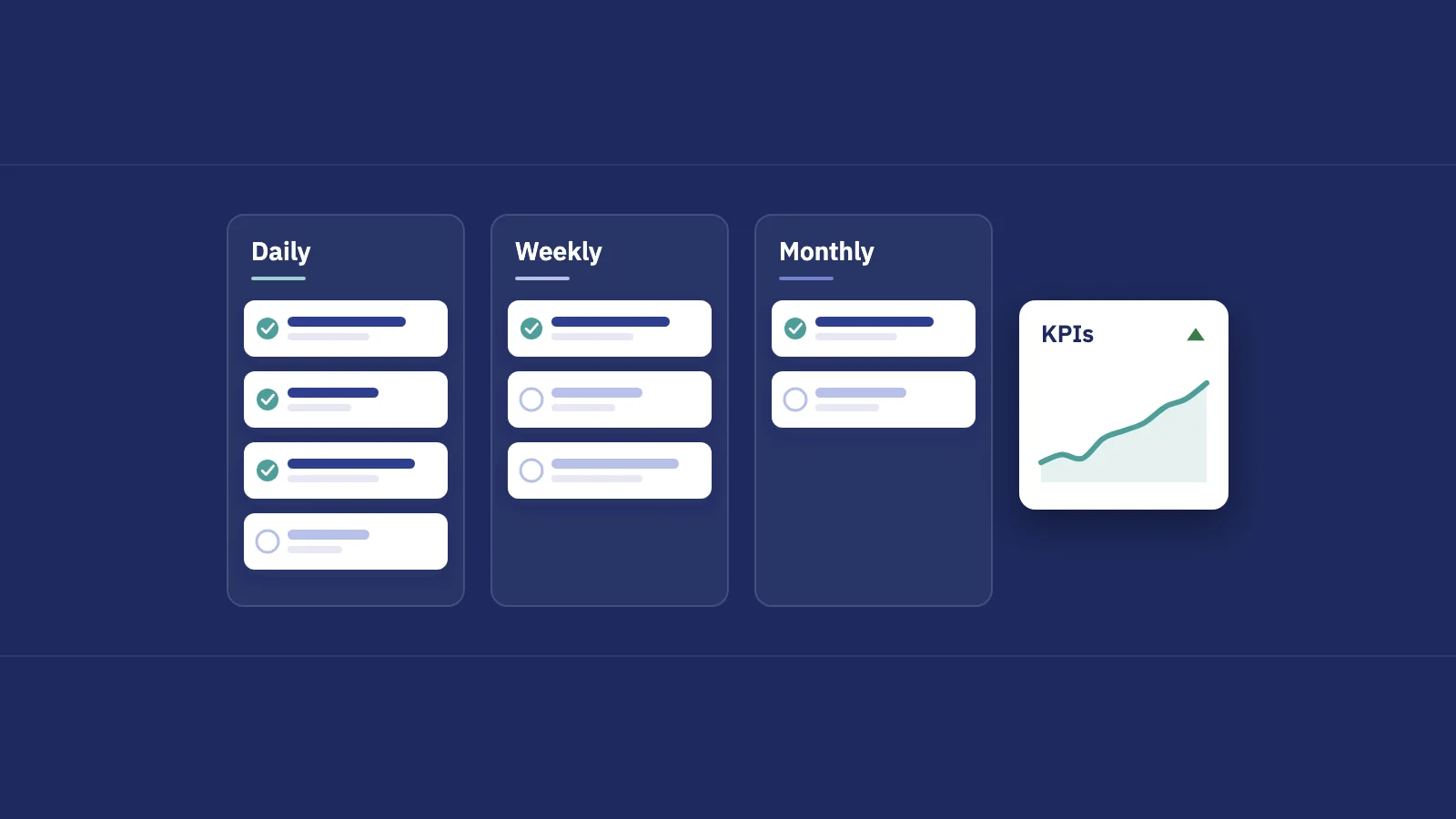
Daily (15–30 minutes)
- Check alerts and big movers. Rank drops on important keywords, pages that lost clicks, indexing errors flagged by Search Console.
- Scan for incidents. A sudden drop with a clear date is usually technical (a deploy, a redirect, a robots rule) and should be investigated the same day.
- Note what changed. Log releases, content updates and known Google updates with a date, so later comparisons have context.
Weekly
- Review the last 7 days against the 7 before for clicks, impressions and tracked keyword positions. Look at winners and losers, not just totals.
- Work the backlog. Ship on-page changes, write or review briefs, follow up on technical tickets.
- Check content issues. Pages competing for the same query, pages on page two that are close to page one, high-impression queries with a weak click-through rate.
Monthly
- Report. A short report against agreed KPIs, with the actions taken and what comes next. Our SEO report template shows a structure that works.
- Measure past changes. Compare equal windows before and after each change, and look at the site's own trend in the same weeks.
- Re-plan. Re-rank the backlog based on what worked.
Quarterly
A deeper review: content decay across the site, a technical crawl, a year-over-year look at the main keyword groups, and the plan for the next quarter. Our guide on how often to run an SEO audit covers what belongs in each cadence.
KPIs an SEO specialist owns
A specialist should own metrics they can actually influence, reported in a way the business understands.
| KPI | Where it comes from | Why it matters |
|---|---|---|
| Non-brand organic clicks | Search Console, Performance report | The cleanest measure of SEO-driven demand |
| Positions for tracked keyword groups | Search Console data per query, or a rank tracker | Shows progress before clicks catch up |
| Impressions for target topics | Search Console | Early signal that new pages are being shown |
| Click-through rate at stable positions | Search Console | Measures the impact of titles and snippets |
| Indexed vs submitted important pages | Page indexing report, Sitemaps | Technical health of the pages that matter |
| Organic conversions and revenue per landing page | GA4 | Connects the work to business outcomes |
Avoid owning metrics you can't move or that mislead on their own, such as a single site-wide average position. For a full list with targets and vanity metrics to drop, see SEO KPIs.
The SEO specialist's tool stack
You don't need a long list of subscriptions. Most teams cover the same categories:
- Search engine data: Google Search Console (and Bing Webmaster Tools if Bing matters to you). This is the only first-party source for queries, impressions, clicks and positions on your own site.
- Web analytics: GA4 or similar, for what visitors do after the click.
- Rank tracking and reporting: a way to track keyword groups daily, keep history and send reports without rebuilding them by hand.
- Site crawler: to find broken links, redirect chains, missing tags and orphan pages.
- Page speed and rendering: PageSpeed Insights, Chrome DevTools and the URL Inspection tool.
- Spreadsheets and data tools: Google Sheets, Looker Studio or BigQuery for anything the UIs can't do.
- Project management: a ticket system shared with developers and writers.
Start with Search Console and analytics, then add a tool only when you hit a specific limit, for example the 1,000-row export in the Search Console interface or the need to track hundreds of keywords by group every day.
Serplyze sits in the rank tracking and reporting category: it builds keyword rank tracking from your own Search Console data, with keyword groups, daily alerts and scheduled reports, so the daily and weekly checks above take minutes instead of a spreadsheet session.
SEO specialist job description template
Copy this into your job post and replace the brackets. Remove any line that doesn't apply; a shorter, honest job description attracts better candidates than a long wish list.
# SEO Specialist

## About the role
We're looking for an SEO specialist to grow [company]'s organic search
traffic and revenue. You'll own [site / markets] and work with [content,
engineering, product, marketing] to decide what we build and fix, and
report on the results.

## What you'll do
- Research keywords and search intent using Search Console and other data,
  and map topics to pages
- Find and prioritize technical issues (indexing, crawling, redirects,
  canonicals, structured data, page speed) and write clear tickets
- Write content briefs and improve existing pages: titles, descriptions,
  headings, internal links and content
- Monitor rankings, clicks and indexing; diagnose drops and act on them
- Measure the impact of changes with before/after comparisons
- Report monthly on agreed KPIs to [team / leadership / clients]

## What you'll bring
- [X]+ years of hands-on SEO experience
- Strong working knowledge of Google Search Console and GA4
- Understanding of HTML, HTTP status codes and how search engines
  crawl, render and index pages
- Comfort with spreadsheets, filters and basic regex
- Clear writing for briefs, tickets and reports
- Ability to prioritize work by impact and explain trade-offs

## Nice to have
- Experience with [e-commerce / SaaS / local / international] sites
- SQL, Looker Studio or BigQuery
- Experience with site migrations

## How we'll measure success
- [Non-brand organic clicks / organic revenue] against target
- Progress on positions for [priority keyword groups]
- Indexing health of [important page types]

## Details
Location: [remote / city] · Reports to: [role] · Type: [full-time]
A "How we'll measure success" section is worth keeping. It tells candidates you have realistic expectations, and it gives you both an agreed baseline from day one.
How to hire (or become) a good SEO specialist
Ask for reasoning, not just results. Google's hiring page suggests asking what results a candidate expects, in what timeframe, and how they measure success. Good answers mention baselines, specific metrics and the factors outside their control.
Give a short practical task. Share a read-only view of real data (Search Console lets you add a Restricted user who can view most reports without changing settings) and ask for the three things they would do first and why.
Watch for red flags. Guaranteed rankings, a claimed special relationship with Google, or a plan that is all link buying and no work on the site itself.
If you're starting out: get your own site or a volunteer project into Search Console, learn the Performance report thoroughly, and keep a log of changes and their measured results. A portfolio of before/after comparisons with honest caveats is more convincing than a certificate.
Frequently asked questions
What does an SEO specialist do in a day?
Checks alerts and ranking changes, investigates anything that dropped, works on the current backlog (on-page edits, briefs, technical tickets), and logs the changes made. Reporting and planning usually happen weekly or monthly rather than daily.
Is an SEO specialist a technical role?
Partly. The role needs enough technical knowledge to diagnose crawling, indexing and rendering problems and explain them to developers. Most specialists don't write production code, but they do read HTML, response codes and Search Console reports confidently.
What is the difference between an SEO specialist and an SEO strategist?
The specialist executes and measures: audits, page changes, briefs and reports. The strategist decides where to compete: which topics, markets and page types, in what order. In small teams one person does both.
What KPIs should an SEO specialist be measured on?
Metrics they can influence and the business cares about: non-brand organic clicks, positions for priority keyword groups, click-through rate at stable positions, indexing of important pages, and organic conversions or revenue from GA4.
How long before an SEO specialist shows results?
There is no fixed timeframe. Technical fixes can show within weeks once Google recrawls the pages; new content and authority usually take longer. Agree a baseline and a review date at the start, and report leading indicators like impressions and positions while clicks catch up.
Key takeaways
- An SEO specialist owns organic visibility: keyword and intent research, technical health, on-page and content work, monitoring, and reporting.
- Specialists execute and measure; strategists choose where to compete; managers run the program. Small teams combine all three.
- A daily check of alerts and movers, a weekly review and a monthly report is a workable rhythm.
- Own KPIs the role can move: non-brand clicks, positions by keyword group, CTR, indexing of key pages and organic revenue.
- Use the job description template above, keep a "how we'll measure success" section, and hire for reasoning, not promises.
Serplyze turns your Search Console data into daily keyword tracking, alerts and scheduled reports, so an SEO specialist spends the week on fixes instead of spreadsheets. Start free and connect Search Console in a few minutes.